Livable Communities for All Ages
Our social and physical environments shape how we age. As populations grow older and more diverse, systems often need to adapt to serve their communities well.
Age-Friendly Communities involve people across sectors to generate data, proposals, and action. It’s a similar approach as Age-Friendly Health Systems and Dementia Friendly Communities.
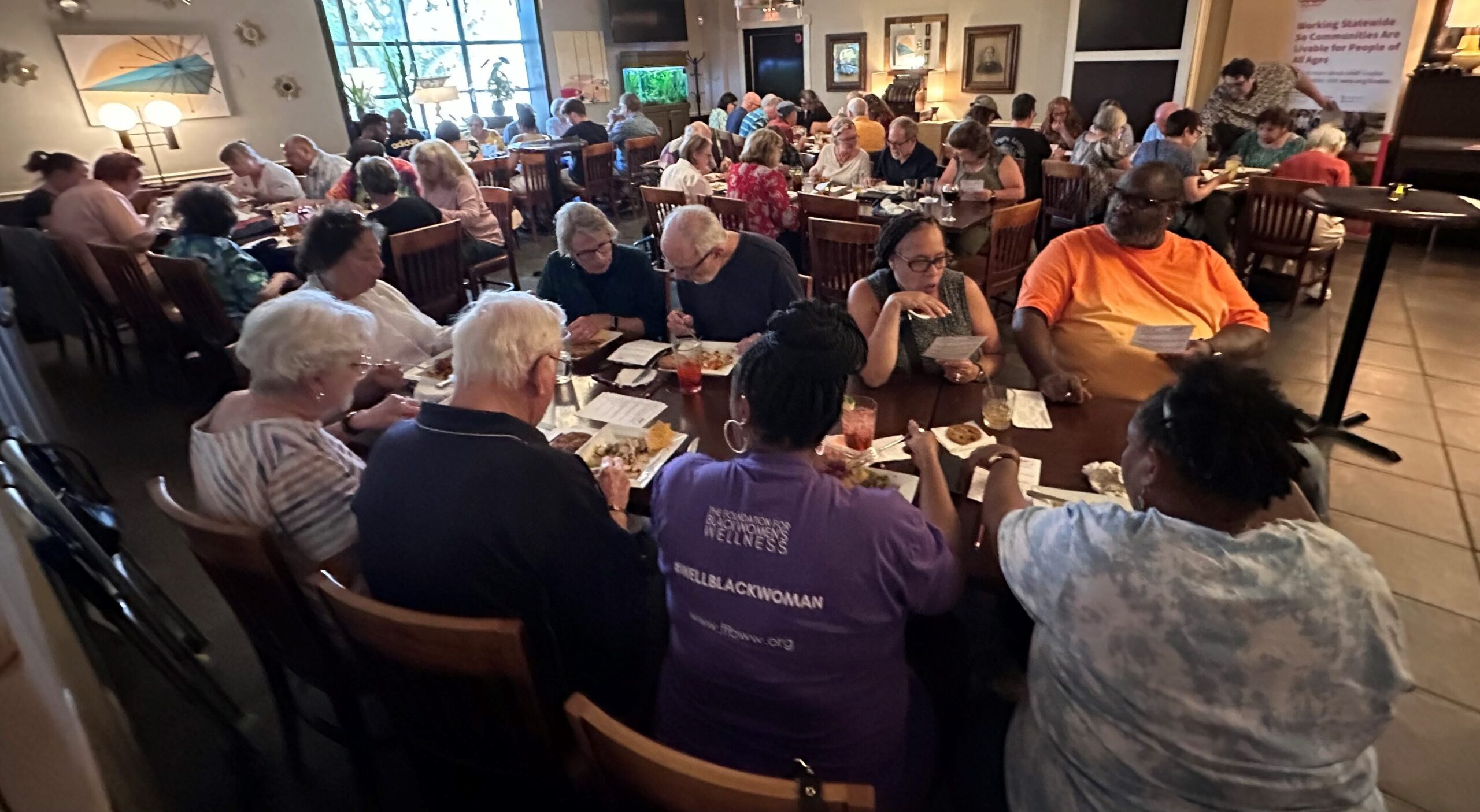
“Both older people and the environments in which they live are diverse, dynamic, and changing. In interaction with each other, they hold incredible potential for enabling or constraining healthy ageing,” states the World Health Organization.
In the United States, AARP supports Age-Friendly Communities (which they also call Livable Communities). Across Wisconsin, 15 communities are involved, from Appleton to Oshkosh to Reedsburg to Madison to Milwaukee County.
“When you think about what makes for a livable community, it’s about safe, accessible environments; affordable housing; different forms of transportation; and healthcare,” says Amber Miller, AARP Wisconsin’s Senior Associate State Director of Community Outreach.
“This is true for people of all ages,” she adds. “Whether you’re eight years old or 80 or older, you should be able to cross the street safely. You should have access to healthcare and green space.”
To join AARP’s Livable Communities network, communities make a five-year commitment and convene a steering committee. Since Age-Friendly initiatives often help develop or revise local policies, an elected official must be involved. AARP provides technical assistance.
“We work with communities on programs and resources and aging policymaking,” says Miller. “It’s free to participate. It usually starts with one person pulling together a steering committee with people of all ages and backgrounds.”
Newer Age-Friendly Communities assess their strengths and needs. AARP’s framework includes eight domains of livability: outdoor spaces and buildings; transportation; housing; social participation; respect and social inclusion; work and civic engagement; communication and information; and community and health services.
Most communities identify between two and four domains to focus on. “I’ve never been in a community that has all eight,” says Miller. “There’s always something that you can work on.”
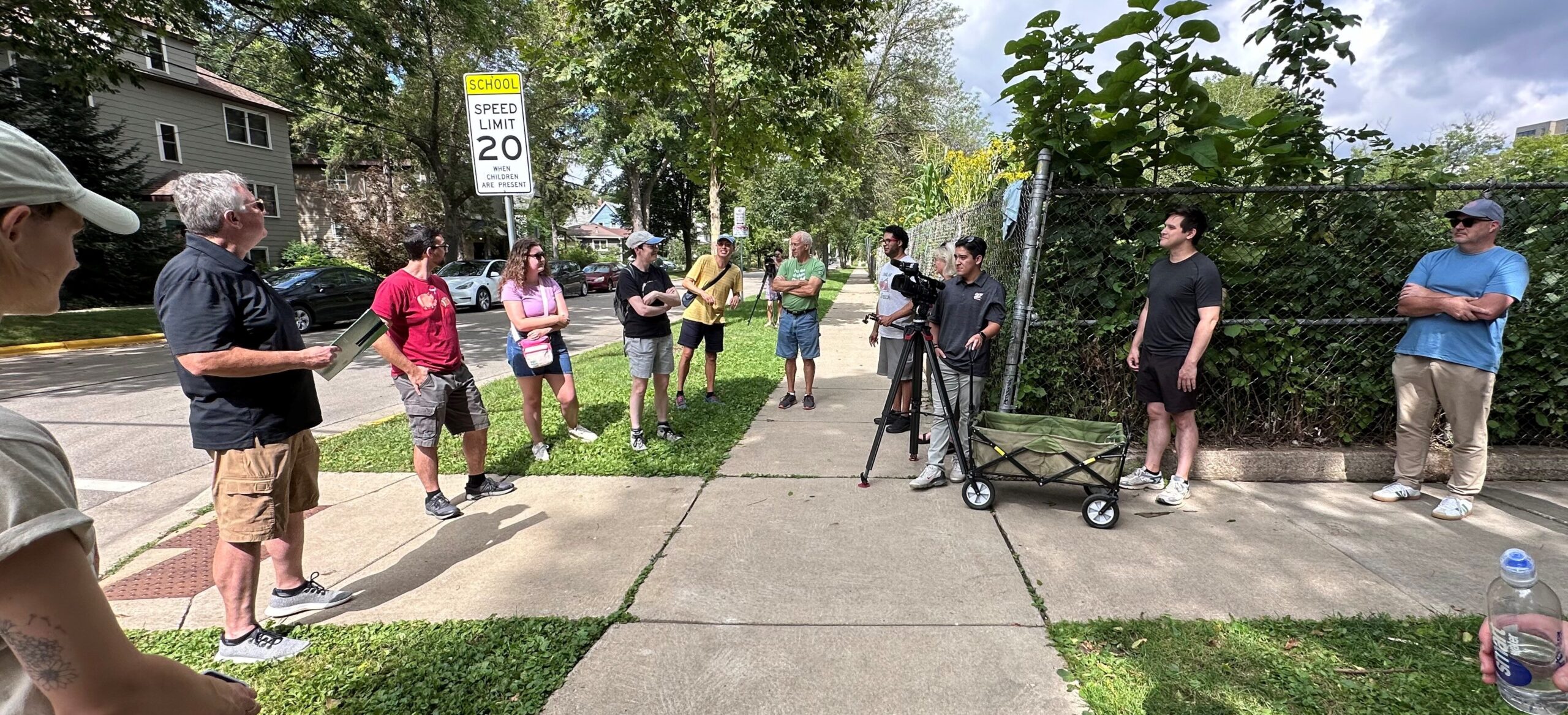
“Walk audits are a great way” to decide on priorities, she suggests. “You’re connecting and walking and talking and taking notes on what maybe isn’t working.” Even better, “Do a walk audit in the spring and again in the winter. It’s totally different!”
Many communities focus on housing.
“Housing is a beast,” says Miller. “It’s not just affordable housing, but appropriate housing that supports aging in place. … We need diverse housing options for different incomes and stages of life, as well as information about and services for home modifications.”
The need for more inclusive housing developments is clear.
“Just over the past two years, there’s been a 30% increase in the state of Wisconsin for older adults being unhoused,” says Miller. “It’s just getting too expensive.”
Thanks to Age-Friendly advocates, local housing policies are changing across Wisconsin. Madison, Milwaukee, and Shorewood now allow accessory dwelling units, which are smaller independent units added to existing housing plots. West Bend organizes housing expos, sharing information about home safety modifications and local resources.
Social participation is another domain that many Age-Friendly Communities address. The COVID pandemic tragically illustrated how isolation undermines health and well-being.
“Social engagement helps reduce loneliness and social isolation,” says Miller. “There should be accessible and affordable social opportunities. Not everybody wants to say that they’re struggling and need to connect with others.”
Senior centers provide social and health programming in many communities. Yet “not everybody goes to senior centers,” says Miller. Senior center hours may not accommodate the schedules of people who continue to work. And the name “senior center” discourages some from visiting.
From sharing information to increasing civic participation to changing policies, Age-Friendly Communities across Wisconsin work to “ensure people are aging as well as they can in their neighborhoods,” says Miller.
“That’s the type of community I want to live in.”
–Diane Farsetta